GM Web Resources
We are part of a large team made up of designers, developers, marketers, researchers, analysts, and strategists.
Sharing information is essential to what we do.
Have a question?
We’re here whenever you need us.
Why Website Speed Matters for SEO and Lead Generation
Your website is often your business’s first impression, so you want to make it a good one. A slow website can frustrate visitors, increase bounce rates, and make it harder for users to complete actions such as submitting a form or making a purchase. Website speed can also affect search visibility, making it an important part of both SEO and lead generation.
Website Speed Affects More Than You Think
It’s easy to assume website speed only affects how quickly visitors can view a page, but its impact goes much further. Website speed can affect search rankings, user experience (UX), bounce rate, form submissions, phone calls, sales, ad performance, and brand trust.
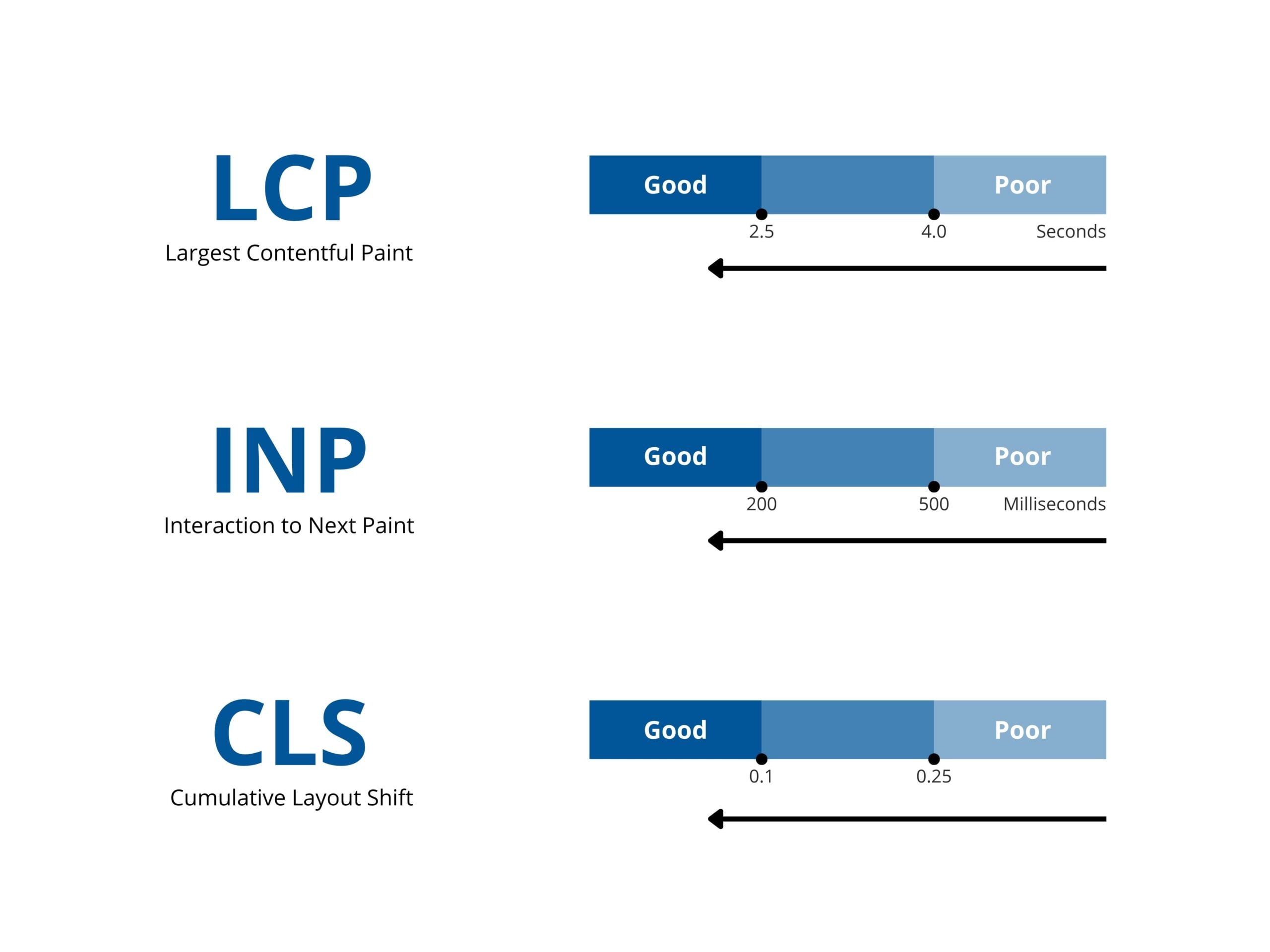
Google also considers page experience when ranking websites, which includes Core Web Vitals. The three current Core Web Vitals are:
According to Google, 53% of users will abandon a website if it takes over three seconds to load and over half of website traffic comes from mobile devices.
How Website Speed Affects SEO
Website speed plays an important role in SEO because Google considers page experience when ranking websites. Since Google primarily uses the mobile version of a website for indexing, having a fast, responsive mobile site is especially important.
Site speed can also affect how efficiently search engines crawl larger websites. Faster, more stable websites make it easier for search engines to access and process content, while slower sites may create issues with crawling.
For most small business websites, the biggest concern is user experience. If pages take too long to load, visitors may leave before interacting with your content, which can reduce traffic, engagement, and potential conversions.
How Website Speed Affects Lead Generation
Not receiving form submissions, phone calls, and sales because of website speed will drastically reduce your lead generation. Website traffic only becomes valuable when visitors take action. A conversion may include submitting a contact form, requesting a quote, calling your business, booking an appointment, or completing a purchase.

Slow pages create additional friction between the visitor and those actions, plus it’s a fact that fast websites convert more. Google and Deloitte, proved that a 0.1-second website speed increase generates 8.4% more retail conversions and 10.1% more travel conversions.
Slow Websites Feel Even Slower
Website speed does not only affect measurable performance; it can also affect how visitors remember their experience. For example, users perceive website loading time to be 15% slower than it actually is and when recalling the load time, 35% slower.
This connects to the broader psychology of waiting. People generally react negatively to delays, especially when they do not know how long the wait will last. On a website, even a brief delay can make an interaction feel less smooth and may influence how visitors perceive the business itself.
How Fast Load Times Increase Lead Generation
How to Improve Website Speed
You don’t need to completely rebuild a website to address every performance issue. Some common improvements include:
Google’s PageSpeed Insights can evaluate both mobile and desktop performance and provide diagnostics related to Core Web Vitals and other performance issues.
Support SEO and Leads With a Faster Website
Website speed can affect how visitors experience your site, how easily they convert, and how well your website performs in search. Regularly testing and improving load times can help create a smoother experience while supporting your SEO and lead generation goals.
If your website is running slowly, GM Web Services can help identify performance issues and make improvements that support a faster, more effective website.